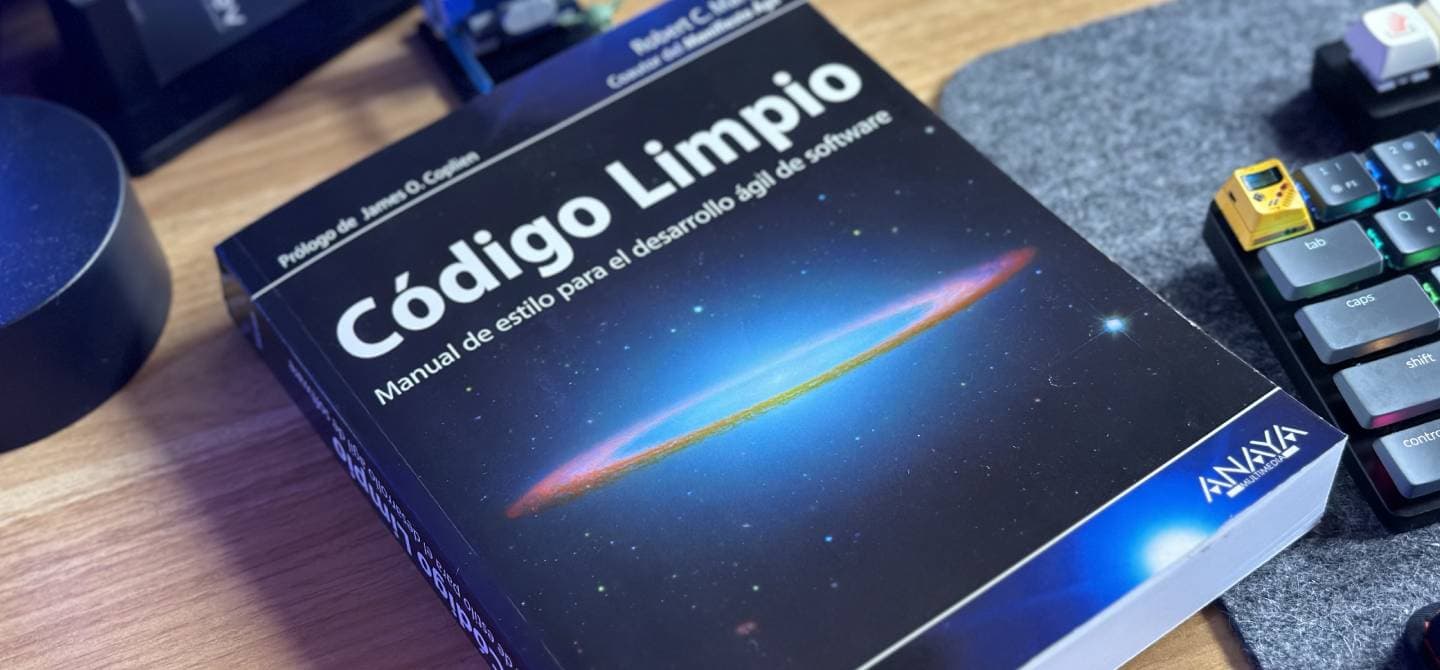
"Clean Code": A Guide for Developers
Summary of Key Points from "Clean Code"
1. The importance of code readability: In "Clean Code", Robert C. Martin emphasizes that code should be easy to read and understand for other developers. Code readability is essential for facilitating collaboration, maintenance, and the evolution of software over time. Martin recommends using descriptive names for variables, functions, and classes, as well as writing concise and clear code blocks.
2. Writing meaningful functions and methods: A fundamental principle is that functions and methods should do one thing and do it well. Martin suggests that functions should be brief and have names that reveal their purpose. Breaking down complex functions into smaller, meaningful parts improves code readability and maintainability.
3. Comments and documentation: The author addresses the topic of code comments, emphasizing that they should explain the "why" behind the code, not just the "what". Martin warns against redundant or explanatory comments and suggests that the code itself should be clear enough not to require excessive comments.
4. Handling errors gracefully: Martin argues that error handling is a crucial part of clean code. He recommends avoiding excessive use of try-catch blocks and instead using exceptions for exceptional situations. He also highlights the importance of communicating errors clearly and understandably to end users.
5. The importance of simplicity: The principle of simplicity is essential to keeping complexity under control in a software development project. Martin suggests following the KISS principle (Keep It Simple, Stupid) and advocates for eliminating redundant code and simplifying code design and implementation.
6. Testing and refactoring: In "Clean Code", the relationship between testing and clean code is highlighted. Martin argues that effective testing is an integral part of creating quality software and promotes continuous refactoring as a way to keep code clean and manageable as a project evolves.
These points encapsulate the main ideas presented in "Clean Code" and provide a practical guide for developers looking to improve the quality of their code and contribute to successful software projects.